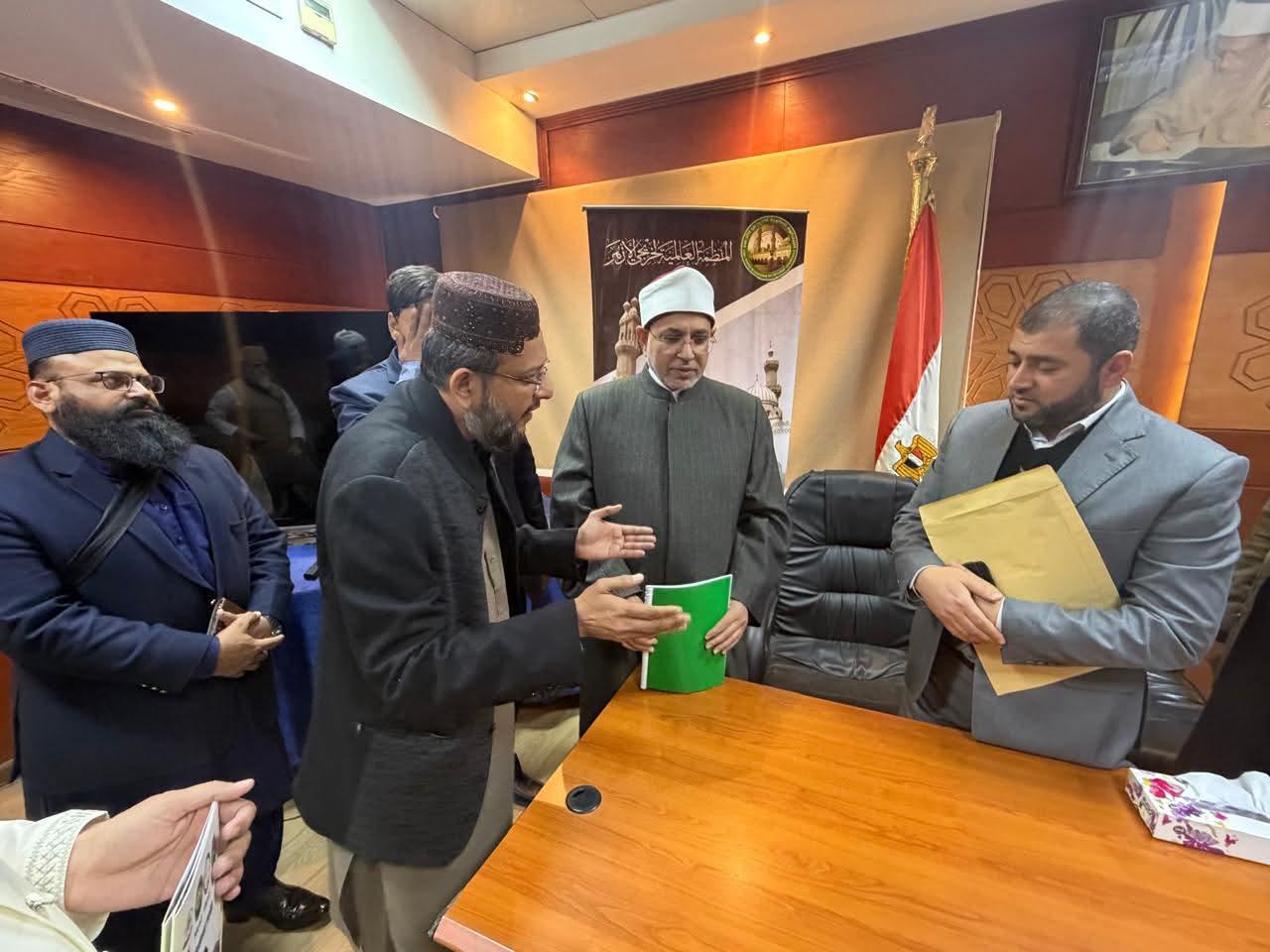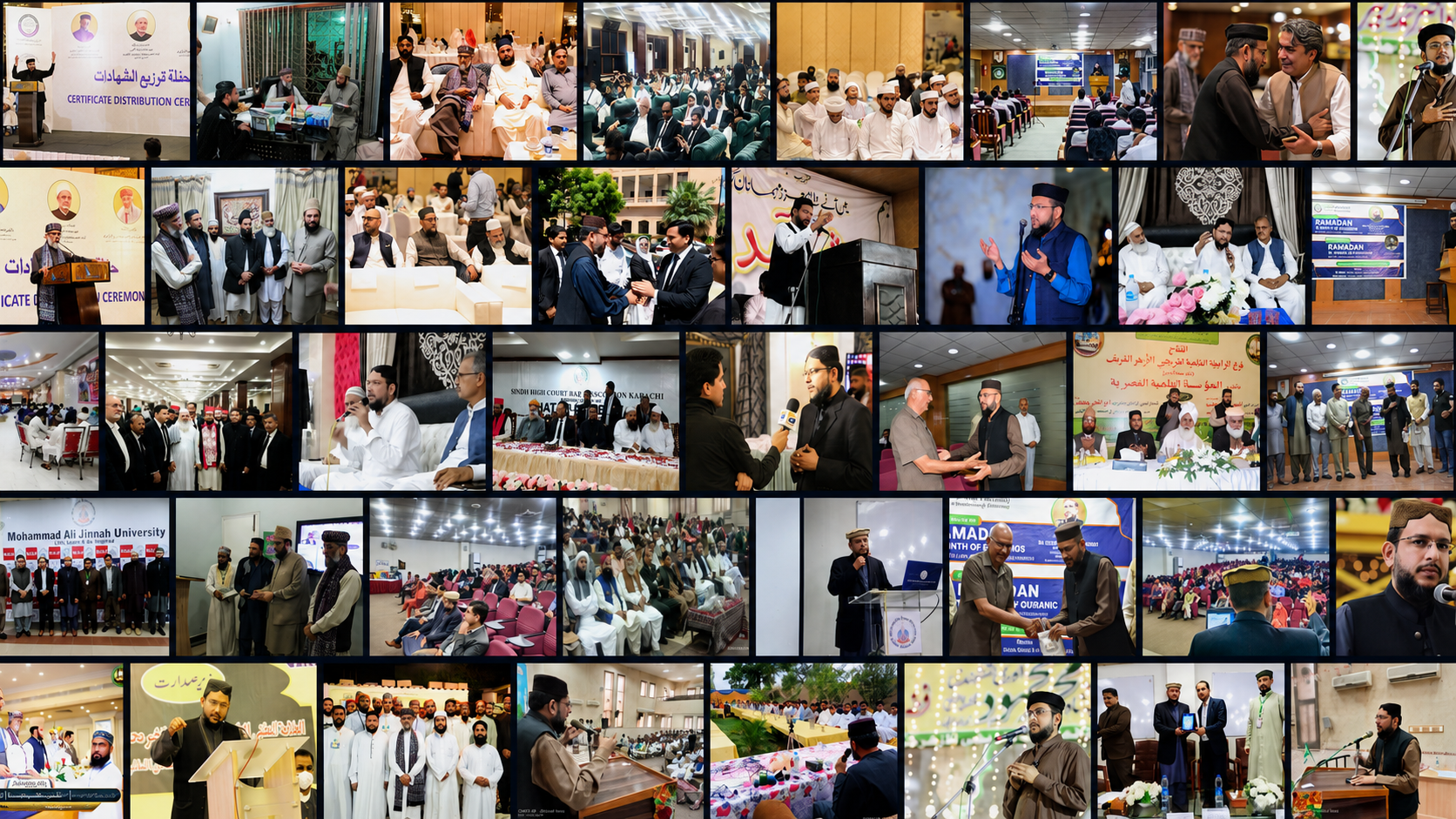
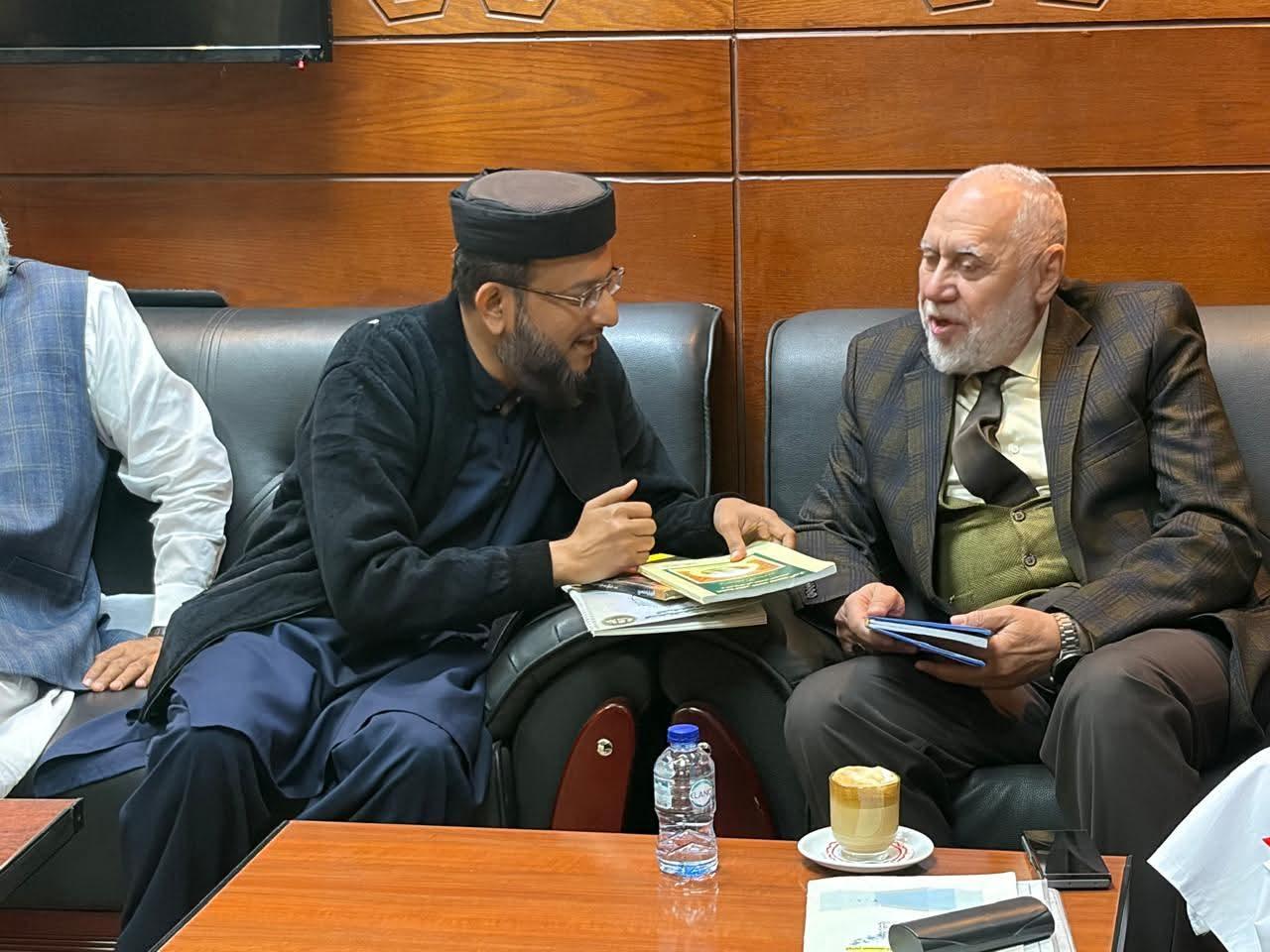
In an age where spiritual traditions are often questioned or misunderstood, a profound and scholarly response emerged from Dr. Muhammad Mahna, a distinguished professor of Sufism at Al-Azhar University. Addressing critics of Sufism, he presented a deeply rooted argument—one that not only defends Sufism but repositions it as the very essence of Islamic character and moral development.
Sufism Before Formal Worship
Dr. Mahna highlighted a powerful historical reality: before the declaration of Prophethood by Prophet Muhammad ﷺ, the formal acts of worship such as prayer (Salah), fasting (Sawm), and almsgiving (Zakat) had not yet been prescribed. Yet, even in that early Meccan period, the life of the Prophet ﷺ was a shining example of impeccable character.
- Truthfulness (Sidq)
- Trustworthiness (Amanah)
- Fulfillment of promises
- Kindness toward all communities
He demonstrated excellent conduct not only with Muslims but also with Jews, Christians, and polytheists. These qualities were rooted in inner purification and ethical refinement—what Sufism defines as Tazkiyah al-Nafs (purification of the soul).
The True Essence of Sufism
From this perspective, Dr. Mahna argued that Sufism is not an innovation or later addition to Islam, but rather its foundational core. It represents the inner dimension of faith—the spiritual training that refines behavior and nurtures sincerity.
This inner purification was already evident in the life of the Prophet ﷺ even before formal religious obligations were established. Thus, Sufism focuses on building the heart before the actions, and the character before rituals.
Influence on Pakistani Scholars
Dr. Mahna’s balanced and compassionate approach left a deep impression on scholars and spiritual leaders from Pakistan. His method—marked by wisdom, clarity, and mercy—resonated strongly with those seeking a deeper understanding of Islam’s spiritual heritage.
The scholars expressed sincere appreciation for his intellectual depth and respectful engagement, which helped clarify misconceptions about Sufism.
The Role of Dr. Uzair Mahmood Al-Azhari
A key role in this scholarly exchange was played by Dr. Uzair Mahmood Al-Azhari, who contributed significantly in highlighting the academic excellence and global stature of Al-Azhar.
Dr. Uzair presented the Arabic translation of his respected father’s book “Sufiya-e-Naqshband”, along with his own important work “Haqiqat al-Amn wa al-Irhab” (The Reality of Peace and Terrorism).
This thoughtful gesture deeply touched Dr. Muhammad Mahna and created a positive and lasting impression on the audience, strengthening bonds of respect and scholarly connection.
Conclusion
Dr. Muhammad Mahna’s argument reminds us that Sufism is not merely a discipline—it is the living spirit of Islam. It is about refining the soul, embodying good character, and nurturing sincerity.
In a world often focused on outward practices, his message redirects attention to the inner reality of faith: that true Islam begins in the heart and is reflected through character.
Before perfecting our acts of worship, we must first perfect our humanity.