Prophet Muhammad ﷺ – The Pioneer of Critical Thinking
Dr. Sahibzada Uzair Mahmood Al-Azhari’s Address at the University of Karachi
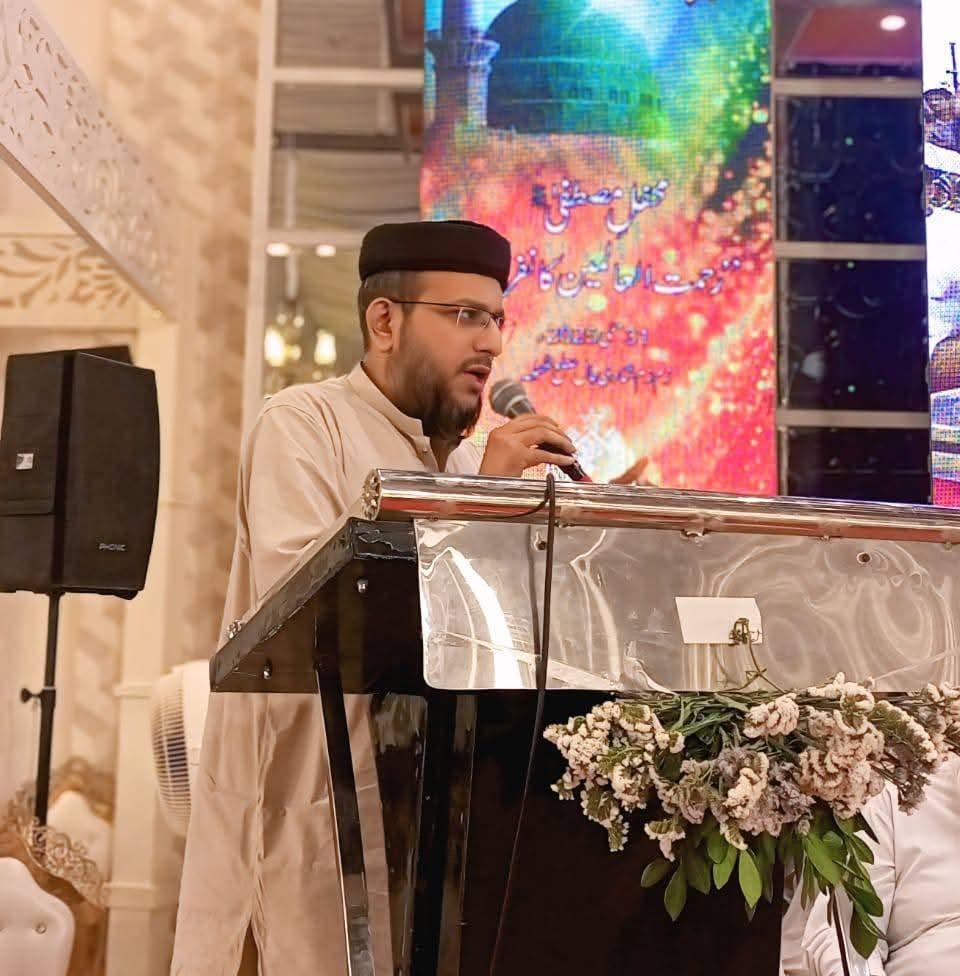
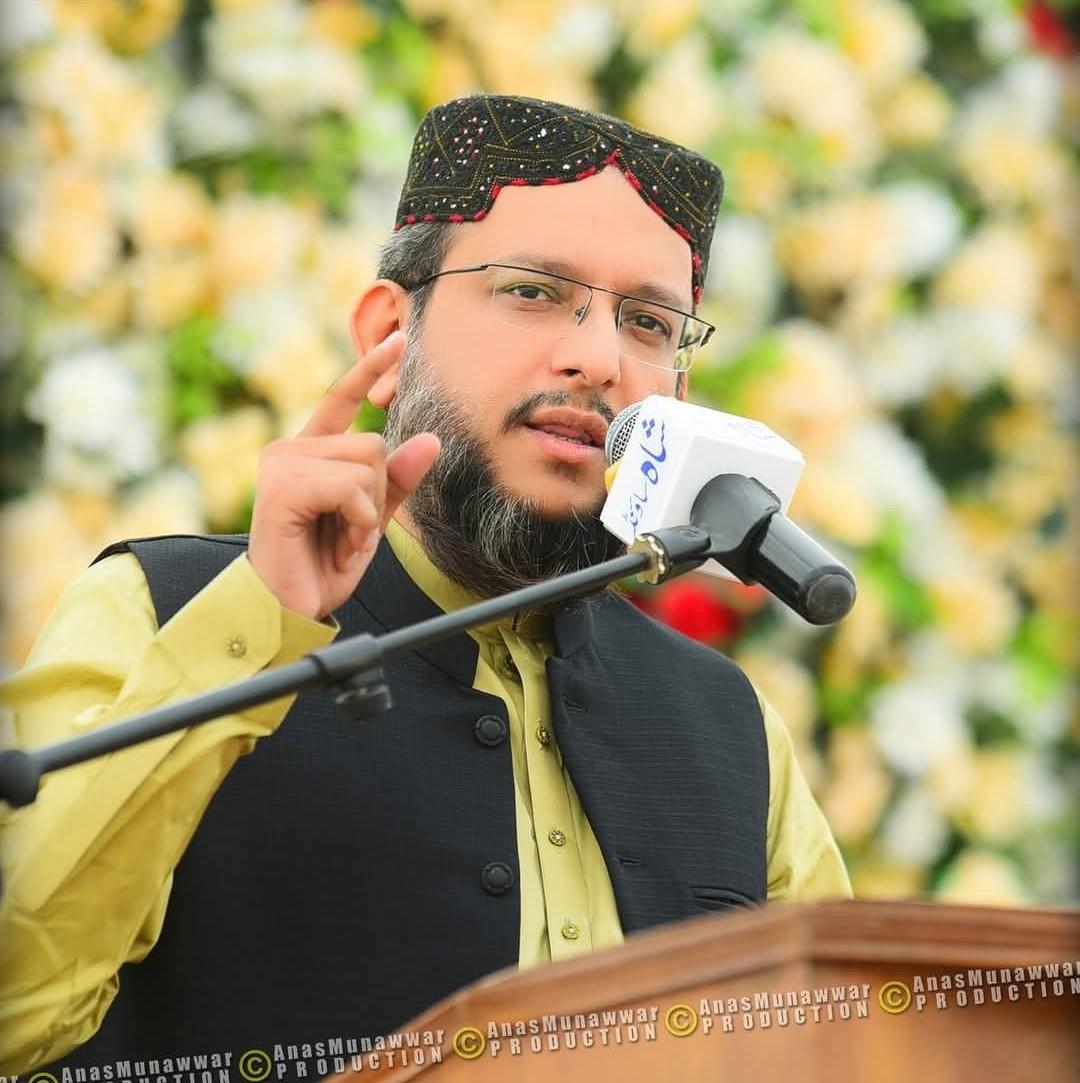
Dr. Sahibzada Uzair Mahmood Al-Azhari — Member of the Islamic Ideological Council of Pakistan and Director of Al-Mu’assasah Al-Ilmiyyah Al-Asriyyah — addressed students at the University of Karachi during a special Milad-un-Nabi ﷺ Conference. His thought-provoking topic revolved around one of the most pressing intellectual issues of the modern age: critical thinking and the power of asking questions.
❝ A Misconception About Critical Thinking ❞
In his address, Dr. Uzair highlighted a common misconception being promoted today by many social media personalities and self-proclaimed scholars. They claim that critical thinking — the ability to question and distinguish right from wrong — is a modern intellectual achievement fostered by contemporary thinkers and influencers.
But, as Dr. Uzair firmly emphasised, this belief is historically and spiritually inaccurate.
❝ The Reality: A Gift from Prophethood ❞
Dr. Uzair explained that before the advent of Prophet Muhammad ﷺ, humanity — especially the Arab world — was engulfed in a culture of blind obedience, oppression, and unquestioned loyalty to unjust authority. The societal norms were so rigid that people:
- Could not differentiate between good and evil,
- Mistook wrong for right when socially accepted,
- Followed traditions blindly without reflection or reason.
In such a morally decayed and intellectually paralysed environment, Prophet Muhammad ﷺ emerged as the first reformer who empowered people to think critically.
❝ Prophetic Critical Thinking: The Real Legacy ❞
The Prophet ﷺ taught people to:
- Call injustice injustice, even if it came from a powerful tribe,
- Recognise oppression and resist it,
- See truth for what it truly is — even if it came from the lips of an enemy,
- Question the traditions of their forefathers when they contradicted Divine Truth.
This was the true beginning of critical thinking — not through rebellion or cynicism, but through divine guidance, wisdom, and moral courage.
❝ Lessons for Today’s Youth ❞
Dr. Uzair urged the youth not to be misled by modern narratives that disconnect Islamic teachings from intellectual growth. He stated:
“The real foundation of critical thinking was laid by the one who said:
‘Speak the truth, even if it is bitter.’
That person was Prophet Muhammad ﷺ.”
He encouraged students to reconnect with the prophetic model — to combine intellect with faith, and reasoning with revelation — so that their pursuit of knowledge becomes holistic and transformative.

✨ Closing Thoughts
In an age where misinformation is rampant and opinions are often mistaken for truth, the need to revive prophetic critical thinking has never been greater. Dr. Uzair’s speech served as a powerful reminder that Islam not only allows questioning and intellectual exploration — it encourages it, but with the ethics, balance, and respect exemplified by the Messenger of Allah ﷺ.
Let us not forget that the greatest liberator of minds and hearts was none other than the Mercy to All Worlds, Prophet Muhammad ﷺ, who taught humanity how to think, reflect, and question — with purpose and humility.